After oral surgery, the safest foods are soft, cool, and easy to eat, such as yogurt, smoothies without a straw, mashed potatoes, blended soups, and scrambled eggs, and following a soft diet for a few days is a normal, temporary part of recovery rather than a sign of any problem. What you eat directly affects how comfortably and quickly you heal. Gentle, nourishing foods protect the surgical site while giving your body what it needs to recover. If you have just had a procedure and are unsure what to eat, the team at Dana Dental Aurora can provide a clear, personalized aftercare plan.
Good post-surgery guidance is a hallmark of quality care, which is why patients rely on this trusted clinic. Dana Dental Aurora holds a 5.0 Google rating from over 485 patient reviews, making it a respected Dental Clinic in Aurora for surgical aftercare.
Diet advice is especially important after procedures like wisdom teeth removal, where the healing site needs protection. A caring Dentist in Aurora always reviews what to eat before you leave.
If an unexpected issue arises while healing, emergency dentistry is available, and you can request an appointment for any follow-up you need.
Why Diet Matters After Oral Surgery
After surgery, the treated area needs to form and protect a blood clot that supports healing. Hard, crunchy, or sticky foods can disturb this clot or irritate the site, while soft, cool foods keep it undisturbed. Good nutrition also fuels tissue repair.
Eating well within the limits of a soft diet helps you recover comfortably and reduces the risk of complications.
Best Foods to Eat After Oral Surgery
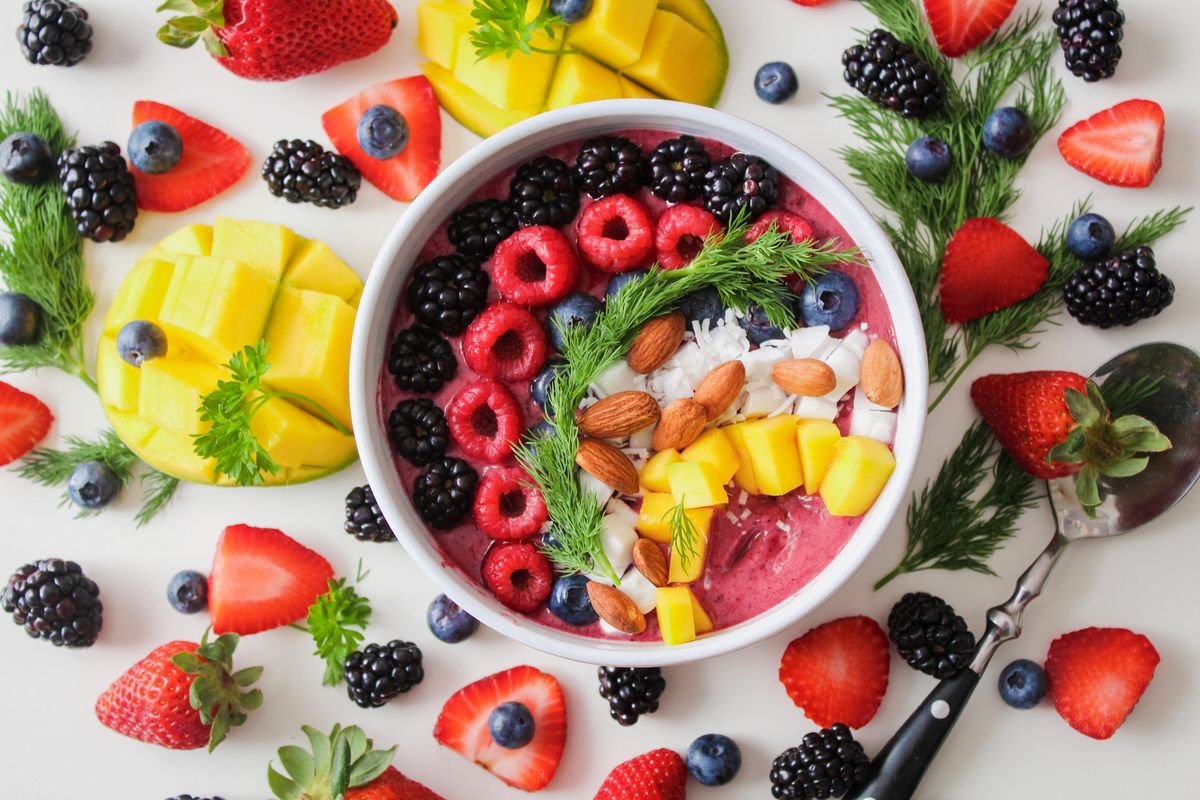
- Yogurt: Soft, cool, and rich in protein.
- Smoothies: Nutrient-packed and easy to consume, but avoid straws.
- Mashed potatoes: Comforting and easy to eat when lukewarm.
- Blended soups: Nourishing and gentle when not too hot.
- Scrambled eggs: A soft, protein-rich option.
- Applesauce and pudding: Smooth and soothing choices.
- Oatmeal: Soft once cooled, offering lasting energy.
Foods and Habits to Avoid
- Crunchy foods like chips, nuts, and popcorn.
- Chewy or sticky foods that pull at the site.
- Spicy or acidic foods that cause irritation.
- Very hot foods and drinks that increase swelling.
- Straws, which create suction that can dislodge the clot.
- Alcohol and tobacco, which slow healing.
As a leading Dental Office in Aurora, Dana Dental Aurora gives patients a clear list of what to enjoy and what to skip.
A Simple Recovery Eating Plan
- On day one, stick to cool liquids and very soft foods.
- Add soft proteins and purees as comfort allows.
- Keep meals lukewarm rather than hot.
- Chew away from the surgical site.
- Reintroduce firmer foods gradually as your dentist advises.
A responsive Top Dentist in Aurora can tailor these steps to your specific procedure.
Soft Diet vs Normal Diet: When to Transition
- Soft diet: Needed in the first days to protect the healing site.
- Normal diet: Reintroduced gradually as healing progresses and comfort returns.
A knowledgeable Family Dentist in Aurora will confirm when it is safe to return to your usual meals.
Common Myths About Eating After Surgery
- Myth: You should avoid eating entirely. Gentle nutrition supports healing.
- Myth: Hot soup is soothing right after surgery. Heat can increase swelling early on.
- Myth: Smoothies are always safe. They are, but only without a straw, since suction can harm the clot.
Reliable guidance from a Cosmetic Dentist in Aurora keeps recovery on the right track.
When to Contact Your Dentist
Mild discomfort and swelling are normal, but severe pain, heavy bleeding, or signs of infection need attention. A dislodged clot can cause a painful condition that should be assessed promptly. Proper diagnosis and follow-up care from licensed professionals registered with the Royal College of Dental Surgeons of Ontario (RCDSO) ensure a safe recovery.
Dana Dental Aurora accepts new patients and CDCP patients, offers a New Patient Special introductory package, and provides CareCredit financing to spread treatment costs into affordable monthly installments. With flexible evening and weekend scheduling, care is easy to fit into busy lives. Reach the team at +1 (647) 494-5006 or info@test.danadentalaurora.ca, located at 15277 Yonge St., Suite 1 and 2, Aurora, ON.
Frequently Asked Questions
What can I eat right after oral surgery?
Choose soft, cool foods like yogurt, smoothies without a straw, mashed potatoes, and blended soups. These protect the healing site while providing nutrition.
How long do I need to eat soft foods?
Most people follow a soft diet for a few days, then gradually reintroduce firmer foods as healing progresses and comfort returns.
Why should I avoid using a straw?
The suction from a straw can dislodge the blood clot that protects the surgical site, which may slow healing or cause a painful complication.
Are hot foods safe after surgery?
Very hot foods and drinks can increase swelling early on, so lukewarm or cool options are safer in the first few days.
When should I call my dentist after surgery?
Contact your dentist if you have severe pain, heavy bleeding, or signs of infection, as these may need prompt professional attention.
Conclusion
Soft, cool, nourishing foods are safest after oral surgery and support comfortable healing. Avoiding hard, spicy, and hot foods along with straws protects the healing site. Following your aftercare plan ensures a smooth recovery with professional help available if needed.