The most reliable signs of a cracked root are sharp pain on releasing a bite rather than on pressing down, a deep localised gum swelling that keeps returning, and sensitivity to cold that lingers after the stimulus is removed. A vertical root fracture is a serious problem, not a temporary one, and it rarely resolves without treatment. Any tooth showing these symptoms should be examined promptly, ideally through an emergency dentistry appointment rather than a routine slot.
Cracked roots are notoriously difficult to detect because the fracture line often sits below the gum and does not appear on standard radiographs until bone loss develops around it.
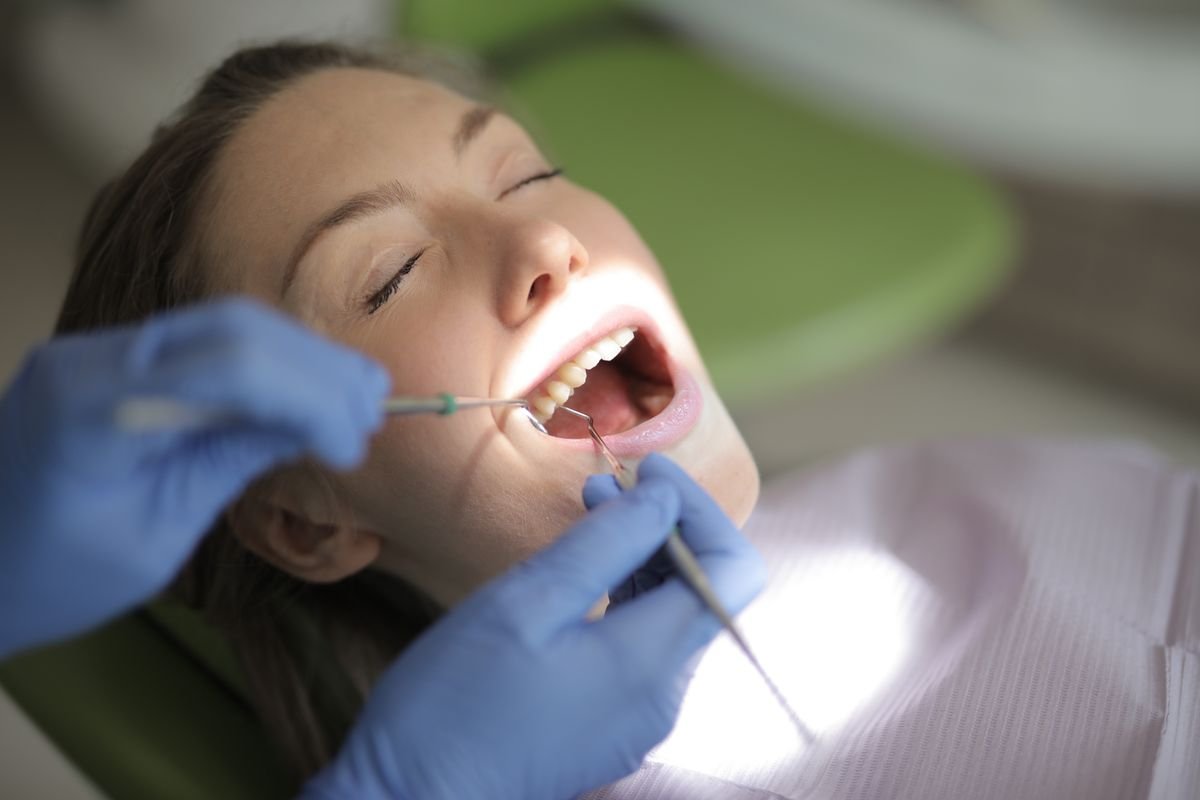
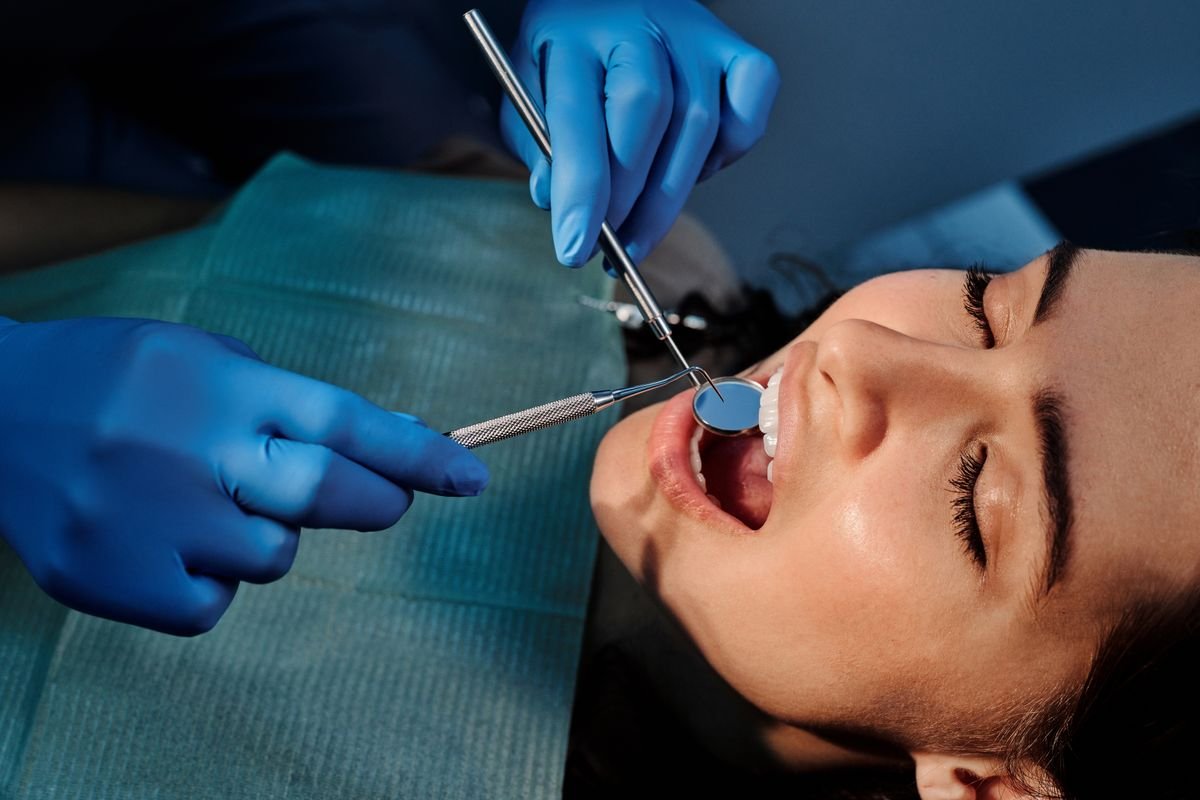
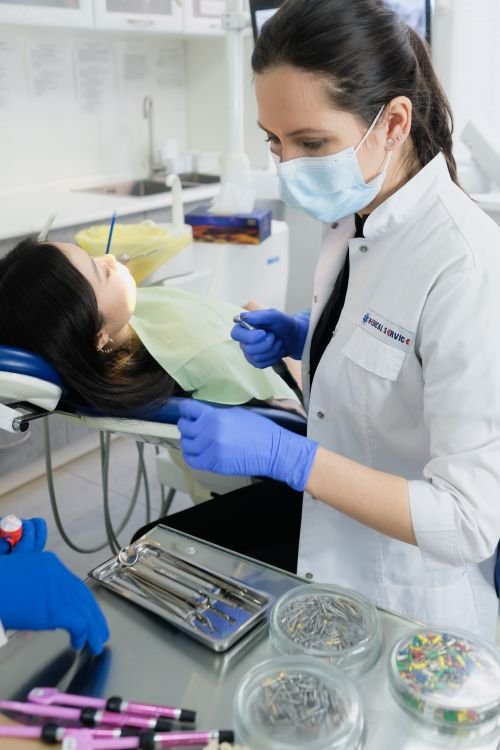
An experienced Dentist in Aurora uses bite tests, transillumination, dye staining and sometimes 3D imaging to reach a diagnosis. If you want a broader view of the practice and patient feedback, this dentist in Aurora listing is a useful starting point.
Many cracks originate in teeth that have previously undergone root canal therapy, because a treated tooth loses internal structure and becomes more brittle.
That is exactly why full-coverage restorations such as caps and crowns are recommended after most posterior root canals.
Where a fractured root cannot be saved, replacement with dental implants is usually the most predictable long-term option.
What Exactly Is a Cracked Root?
A root fracture is a break that extends into the portion of the tooth anchored within the bone. It differs from a chipped cusp or a craze line in the enamel, which are usually superficial and often harmless.
Dentists generally classify cracks along a spectrum:
- Craze lines: hairline enamel cracks, cosmetic only, extremely common in adults.
- Fractured cusp: a piece breaks off, often around a large filling. Usually restorable.
- Cracked tooth: a vertical crack from the chewing surface downward. Prognosis depends on depth.
- Split tooth: the crack has separated the tooth into distinct segments.
- Vertical root fracture: the crack begins in the root and travels upward. This carries the poorest prognosis.
The Warning Signs, Ranked by Reliability
1. Rebound Pain on Biting
The classic indicator. Pain occurs as you release pressure, not while applying it, because the crack segments separate and then snap back onto the nerve tissue.
2. A Recurring Narrow Gum Swelling
A localised bump on the gum, often near the middle of the root, that swells, drains and returns. This is a sinus tract and strongly suggests a fracture in a previously treated tooth.
3. Isolated Deep Pocketing
A single narrow probing depth of 8 to 10 millimetres surrounded by otherwise healthy 3 millimetre readings is highly suggestive of a vertical root fracture.
4. Lingering Thermal Sensitivity
Cold sensitivity that continues for more than 10 to 15 seconds after removing the stimulus points to pulp inflammation, which cracks commonly cause.
5. Intermittent, Hard-to-Locate Pain
Patients often struggle to identify which tooth hurts. Inconsistent symptoms that come and go over weeks are typical of an incomplete crack.
6. A Visible Line or Stain
Under bright light or transillumination, a dark line running across the tooth or a stained fracture line may be visible.
7. Radiographic Bone Loss in a J-Shape
On x-ray, bone loss that wraps around the root in a J or halo pattern is a well-recognised sign of vertical root fracture.
What Causes Roots to Crack?
Structural Causes
- Large restorations that leave thin remaining tooth walls.
- Root canal treated teeth without full cuspal coverage.
- Oversized posts placed inside root canals.
- Excessive removal of dentine during canal shaping.
Functional Causes
- Bruxism, which can generate forces several times normal chewing load.
- Biting unexpectedly on a bone, olive pit, popcorn kernel or ice.
- An uneven bite concentrating force on one tooth.
- Trauma from sport or an accident.
Protective appliances make a genuine difference here. Custom mouthguards for sport distribute impact away from individual teeth.
How a Cracked Root Is Diagnosed
- Detailed symptom history, focusing on when the pain occurs.
- Bite testing on individual cusps using a specialised tooth sleuth device.
- Thermal and electric pulp testing to assess nerve status.
- Full periodontal probing to detect isolated deep pockets.
- Transillumination and methylene blue dye staining.
- Periapical radiographs from multiple angles.
- Cone beam CT imaging where the diagnosis remains uncertain.
- In some cases, exploratory removal of the existing restoration to view the crack directly.
Treatment Options Compared
- Craze line: monitoring only, or cosmetic bonding if visible.
- Fractured cusp: restoration with an onlay or crown. Good prognosis.
- Cracked tooth with reversible pulp symptoms: a bonded crown to splint the segments. Reasonable prognosis.
- Cracked tooth with irreversible pulpitis: root canal therapy followed by a crown. Guarded to good prognosis.
- Split tooth: extraction of the split segment, or full extraction. Poor prognosis.
- Vertical root fracture: extraction is usually the only predictable outcome, with implant or bridge replacement afterwards.
Smaller structural repairs on adjacent teeth are often completed at the same time using Emergency Dental Clinic in Aurora appointment slots so that the bite is rebalanced properly.
Common Misconceptions
Myth: A cracked tooth always hurts. Many cracks are silent for years and are discovered incidentally.
Myth: An x-ray will always show a crack. Vertical fractures are frequently invisible on two-dimensional radiographs because the beam must align exactly with the fracture plane.
Myth: A filling can seal a cracked root. Fillings do not splint a tooth. In some cases a wedge-shaped filling can actually propagate the crack.
Myth: If the tooth had a root canal, it cannot crack. Root canal treated teeth are among the most likely to develop vertical root fractures.
Myth: You can wait until it gets worse. Delay allows bone to be lost around the root, which reduces the quality of the future implant site.
Prevention Strategies That Work
- Wear a custom nightguard if you grind or clench.
- Use a sports guard for any contact or ball sport.
- Have large old fillings assessed for cuspal coverage before they fail.
- Crown posterior teeth after root canal treatment.
- Avoid chewing ice, pens and hard candy.
- Keep regular check-ups so bite issues are caught early.
Where to Get an Accurate Assessment in Aurora
Diagnosing a suspected root fracture takes time, proper equipment and clinical experience. Dana Dental Aurora, located at 15277 Yonge St., Suite 1 & 2, Aurora, ON, allocates dedicated diagnostic appointments for exactly this kind of problem and can be reached at +1 (647) 494-5006 or info@test.danadentalaurora.ca.
The clinic holds a 5.0 Google rating from more than 485 patient reviews and is accepting new patients, including CDCP (Canadian Dental Care Plan) patients. A New Patient Special introductory package is available for first visits, and CareCredit financing can divide larger treatment plans into affordable monthly installments.
Because the practice provides general dentistry, caps and crowns, dental implants, emergency dentistry, wisdom teeth removal, fillings, pediatric dentistry, root canal therapy, sedation, cosmetic dentistry, bonding, veneers, teeth whitening, bridges, mouthguards and nightguards, a cracked tooth can be diagnosed, treated and restored without referral delays. Evening and weekend appointments help urgent cases get seen quickly.
Patients looking for a Dental Clinic in Aurora, a Family Dentist in Aurora, or a Cosmetic Dentist in Aurora should confirm that clinicians are registered with the Royal College of Dental Surgeons of Ontario (RCDSO). That registration underpins the diagnostic and surgical standards you should expect from any Top Dentist in Aurora or Dental Office in Aurora, particularly where Dental Implants Aurora planning may follow.
Frequently Asked Questions
Can a cracked root heal by itself?
No. Unlike bone, tooth structure does not regenerate. A fracture line remains permanently and tends to propagate under continued chewing forces.
How urgent is a suspected root fracture?
It should be assessed within days rather than weeks. Ongoing infection around a fractured root destroys surrounding bone, which complicates future treatment.
Will I definitely lose the tooth?
Not always. Outcome depends on the type, depth and direction of the crack. Cracks confined to the crown are often restorable. True vertical root fractures usually are not.
Why does the pain come and go?
Incomplete cracks flex under load and close again at rest. Symptoms therefore fluctuate depending on what you chew and how the segments move.
Does a nightguard actually prevent cracks?
A well-fitted custom guard distributes force across all teeth and reduces peak loading on individual cusps. It does not eliminate risk entirely, but it meaningfully reduces it for grinders.
Conclusion
A cracked root announces itself through rebound bite pain, lingering cold sensitivity and isolated deep pocketing rather than through obvious visible damage. Early, thorough diagnosis is what preserves options, since bone loss around a fractured root narrows them quickly. If a tooth has been intermittently uncomfortable for weeks, have it properly investigated rather than waiting for it to declare itself.
This information is general and educational. A definitive diagnosis requires clinical and radiographic examination by a licensed dental professional.