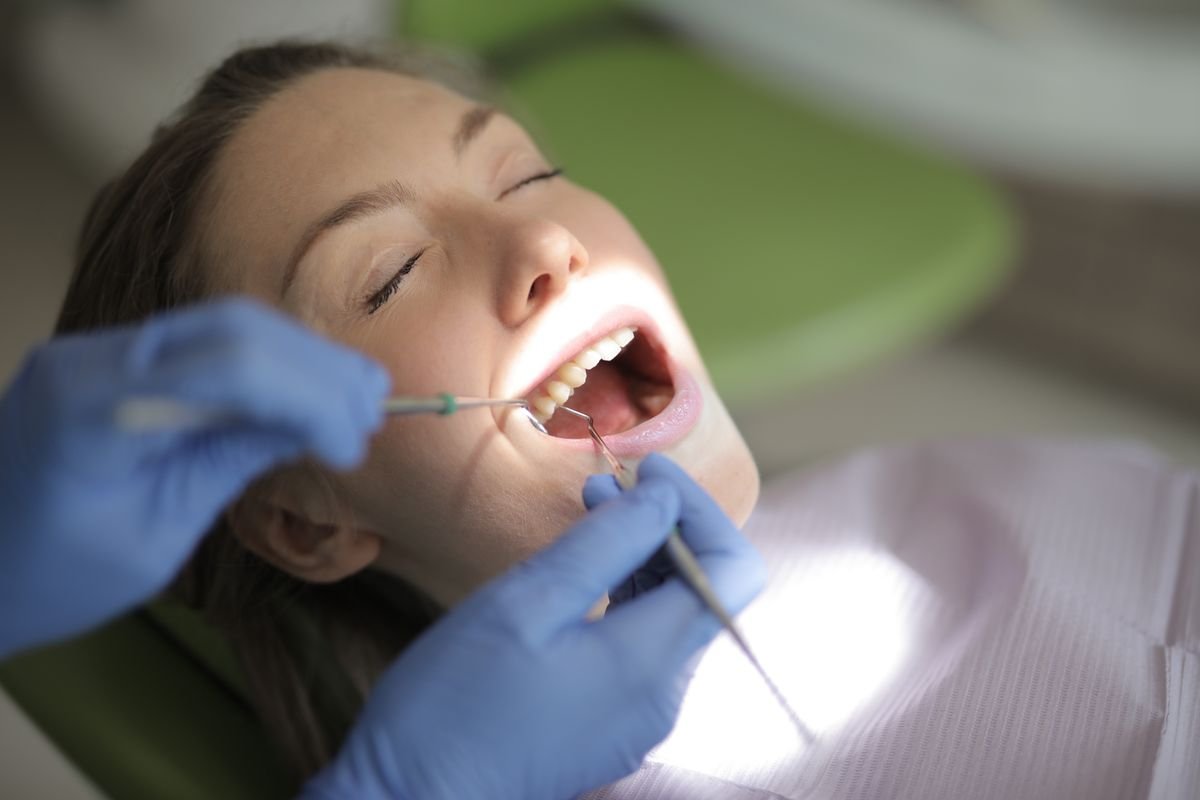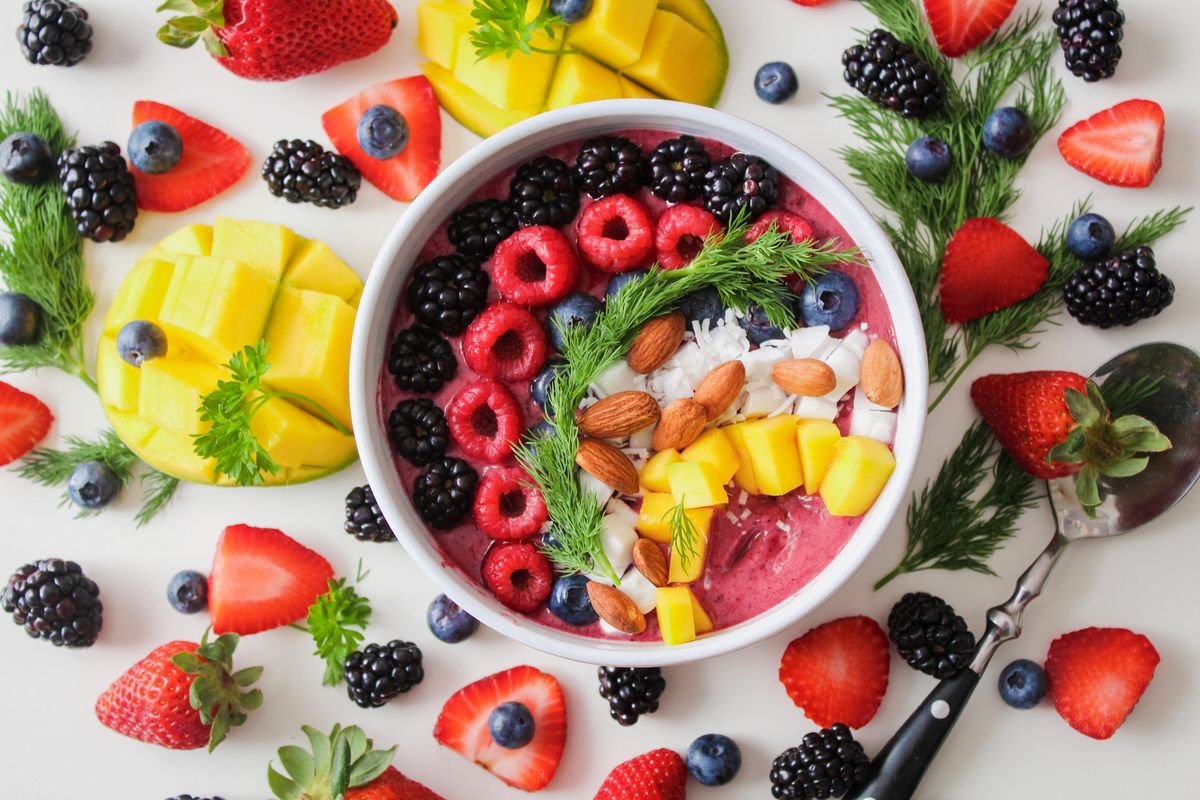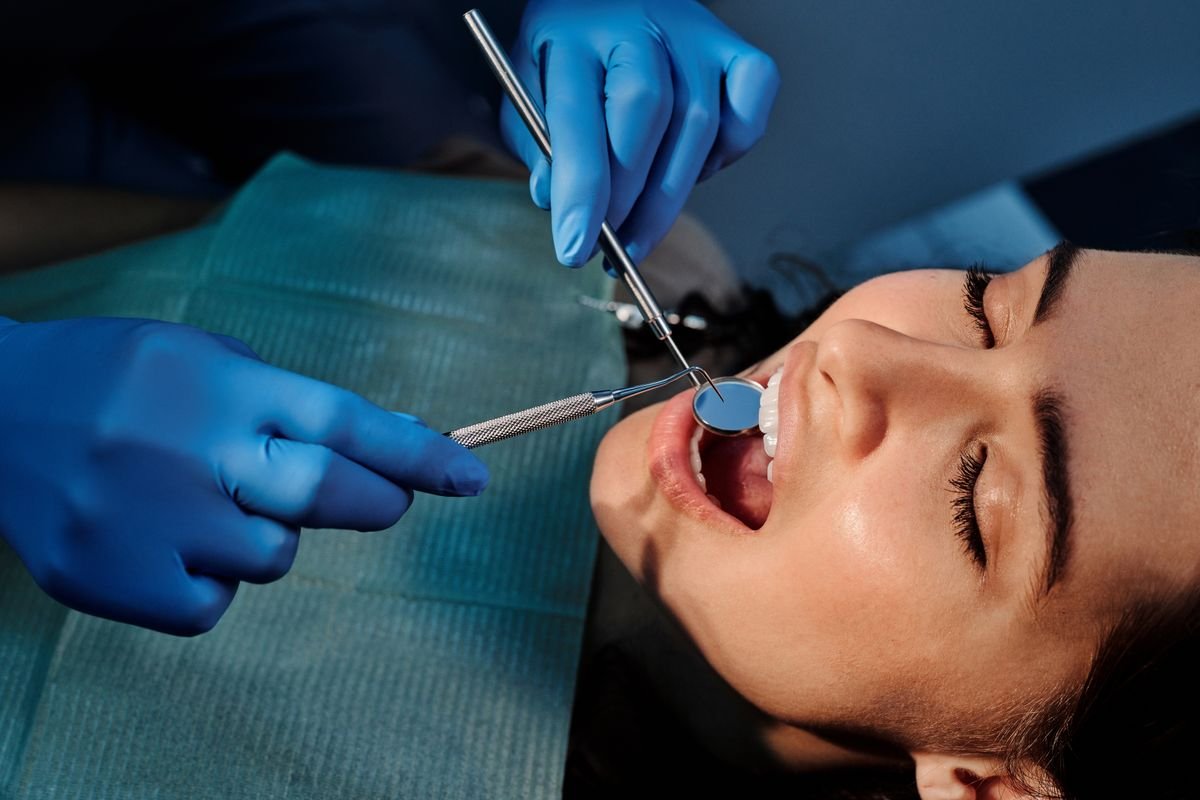
For the first 24 to 48 hours after oral surgery, stick to cool or lukewarm liquids and very soft foods such as yogurt, smooth soup, applesauce, protein shakes and mashed potatoes. Some tenderness, swelling and difficulty chewing during this period is common and temporary. Sharp pain triggered by eating after day three, or bleeding that restarts when you eat, is not routine and should be reviewed by the team who performed your wisdom teeth removal or surgical procedure.
Food choice after surgery is not just about comfort. It directly influences clot stability, infection risk and how quickly tissue rebuilds.
A well-organised Dental Office in Aurora will give written dietary guidance before you leave, and Dana Dental Aurora builds that into every surgical discharge.
Patients who were sedated need extra care with their first meal, since coordination and swallowing reflexes can stay dulled for hours after sedation dentistry.
And if something feels wrong while eating, such as sudden bleeding or a bad taste, the emergency dentistry line is the right first call.
New patients can also start with the new patient offer, which includes a full assessment before any surgical planning begins.
Why Diet Matters So Much After Oral Surgery
After an extraction or surgical procedure, a blood clot forms in the socket. That clot is the scaffold for new tissue. Dislodging it causes a painful condition called alveolar osteitis, better known as dry socket, which typically appears two to four days post-surgery.
The wrong food can disturb that clot in three ways:
- Mechanical trauma from hard, crunchy or sharp textures.
- Suction pressure created by straws, thick shakes drawn through a narrow opening, or slurping.
- Chemical irritation from very hot, acidic, spicy or alcoholic items.
Stage One: The First 24 to 48 Hours
Safe Choices
- Plain or Greek yogurt without seeds or granola.
- Cooled blended soups such as pumpkin, potato or lentil.
- Applesauce and smooth fruit purees.
- Mashed potato, mashed sweet potato, mashed avocado.
- Protein shakes and milk-based drinks, taken from a cup or spoon only.
- Room-temperature broth for hydration and sodium.
Foods to Avoid Completely
- Anything requiring a straw.
- Nuts, seeds, popcorn, chips, granola, rice and quinoa, which lodge in sockets.
- Hot beverages, which dilate vessels and can restart bleeding.
- Alcohol, which interferes with clotting and interacts with pain medication.
- Carbonated drinks, which agitate the surgical site.
Stage Two: Days 3 to 7
Swelling is subsiding and you can widen the menu, provided nothing requires forceful chewing.
- Scrambled or soft-boiled eggs.
- Well-cooked pasta cut into small pieces.
- Flaked soft fish such as salmon or cod.
- Cottage cheese, soft tofu, hummus without crunchy accompaniments.
- Oatmeal cooked until very soft.
- Steamed and mashed vegetables.
Chew on the side opposite the surgical site. If you had bilateral extractions, take small portions and chew slowly toward the front of the mouth.
Stage Three: Weeks Two to Four
Most patients return to a normal diet within two weeks for simple extractions, and three to four weeks for surgical extractions, bone grafting or implant placement.
Reintroduce firmer textures gradually in this order:
- Soft breads and pancakes.
- Tender cooked meats, shredded rather than cut.
- Soft fruits without skins.
- Cooked grains and rice.
- Raw vegetables and crusty breads last.
Hard nuts, ice, hard candy and tough jerky should stay off the list until your dentist confirms full healing.
Nutrients That Speed Recovery
Protein
Tissue repair depends on adequate protein intake. Aim to include a soft protein source at every meal, such as eggs, yogurt, tofu, fish or a shake.
Vitamin C
Essential for collagen formation. Non-acidic options like smooth mango puree or cooked, blended bell pepper soup are gentler than citrus in the first few days.
Zinc
Supports immune function and wound healing. Soft options include mashed beans, yogurt and pureed lentils.
Hydration
Water is the most overlooked recovery tool. Dehydration thickens saliva, slows clearance of bacteria and increases discomfort. Sip regularly from a glass, never a straw.
Safe Versus Risky: A Quick Comparison
- Smooth soup, cooled: safe. Chunky hot stew: risky.
- Spoon-eaten smoothie: safe. Smoothie through a straw: risky.
- Mashed potato: safe. Potato chips: risky.
- Scrambled egg: safe. Toast with crusts: risky.
- Yogurt: safe. Yogurt with granola or seeds: risky.
Myths About Post-Surgical Eating
Myth: You should not eat at all for a day. Skipping food lowers blood sugar, worsens nausea from medication and slows healing. Eat soft food as soon as the anaesthetic wears off.
Myth: Ice cream is the ideal recovery food. Cold is soothing, but high sugar and dairy sitting on a wound is not ideal in large amounts. Plain yogurt is a better default.
Myth: Rinsing hard after eating keeps the site clean. Vigorous rinsing in the first 24 hours is one of the leading causes of dry socket. Gentle salt water rinses start from day two.
Myth: If it hurts to chew after a week, that is normal. Some tenderness is expected, but progressive pain warrants a review.
Warning Signs to Take Seriously
- Throbbing pain radiating to the ear, typically day three to four.
- An empty-looking socket or visible bone.
- Bleeding that does not stop after 20 minutes of firm gauze pressure.
- Fever above 38 degrees Celsius.
- Difficulty swallowing or opening the mouth that worsens.
Call +1 (647) 494-5006 or email info@test.danadentalaurora.ca if any of these appear. Early intervention is simple. Delayed intervention rarely is.
Comprehensive Surgical Aftercare in Aurora
Post-surgical support should not end when you leave the chair. At 15277 Yonge St., Suite 1 & 2, Aurora, ON, the practice pairs clear written instructions with accessible follow-up, which is a large part of why it holds a 5.0 Google rating from over 485 patient reviews.
The clinic welcomes new patients and CDCP (Canadian Dental Care Plan) patients, and a New Patient Special introductory package makes the first visit straightforward. For larger treatment plans, CareCredit financing spreads costs into manageable monthly installments.
Care covers general dentistry, caps and crowns, dental implants, emergency dentistry, wisdom teeth removal, fillings, pediatric dentistry, root canal therapy, sedation, cosmetic dentistry, bonding, veneers, teeth whitening, bridges, mouthguards and nightguards. Patients searching for a Top Dentist in Aurora or a reliable Family Dentist in Aurora benefit from having all of that under one roof.
Evening and weekend appointments mean recovery checks do not require time off work. All treatment is delivered by clinicians registered with the Royal College of Dental Surgeons of Ontario (RCDSO), and surgical consent always includes a balanced discussion of risks, alternatives and expected recovery.
For anyone comparing options for a Dental Clinic in Aurora, or looking for a Cosmetic Dentist in Aurora once healing is complete, that combination of accessibility and clinical governance is what separates good aftercare from average aftercare.
Frequently Asked Questions
When can I drink coffee after oral surgery?
Wait at least 48 hours, and start with it lukewarm rather than hot. Heat increases blood flow to the site and can restart bleeding.
Can I use a straw if I am careful?
No. The suction created is the same regardless of technique, and it is one of the most reliable ways to dislodge a healing clot. Avoid straws for a full week.
How long before I can eat rice or quinoa?
Usually two to three weeks. Small grains lodge easily in healing sockets and are difficult to flush out safely during the early phase.
Is losing weight after oral surgery normal?
A small drop over the first week is common because of reduced intake. Significant or continuing weight loss suggests inadequate nutrition and should be discussed with your dentist or physician.
Should I take vitamin supplements to heal faster?
A balanced soft diet is usually sufficient. Supplements are only necessary if you have a diagnosed deficiency, and some, including high-dose fish oil, can affect bleeding. Always disclose supplements before surgery.
Conclusion
Eating well after oral surgery is about texture and temperature far more than restriction, and a staged return to normal food protects the healing clot. Prioritise soft protein, steady hydration and gentle hygiene through the first week. If pain increases rather than fades, treat that as a signal to seek professional review rather than something to push through.
The guidance above is general in nature. Follow the specific post-operative instructions given by your treating dental professional.