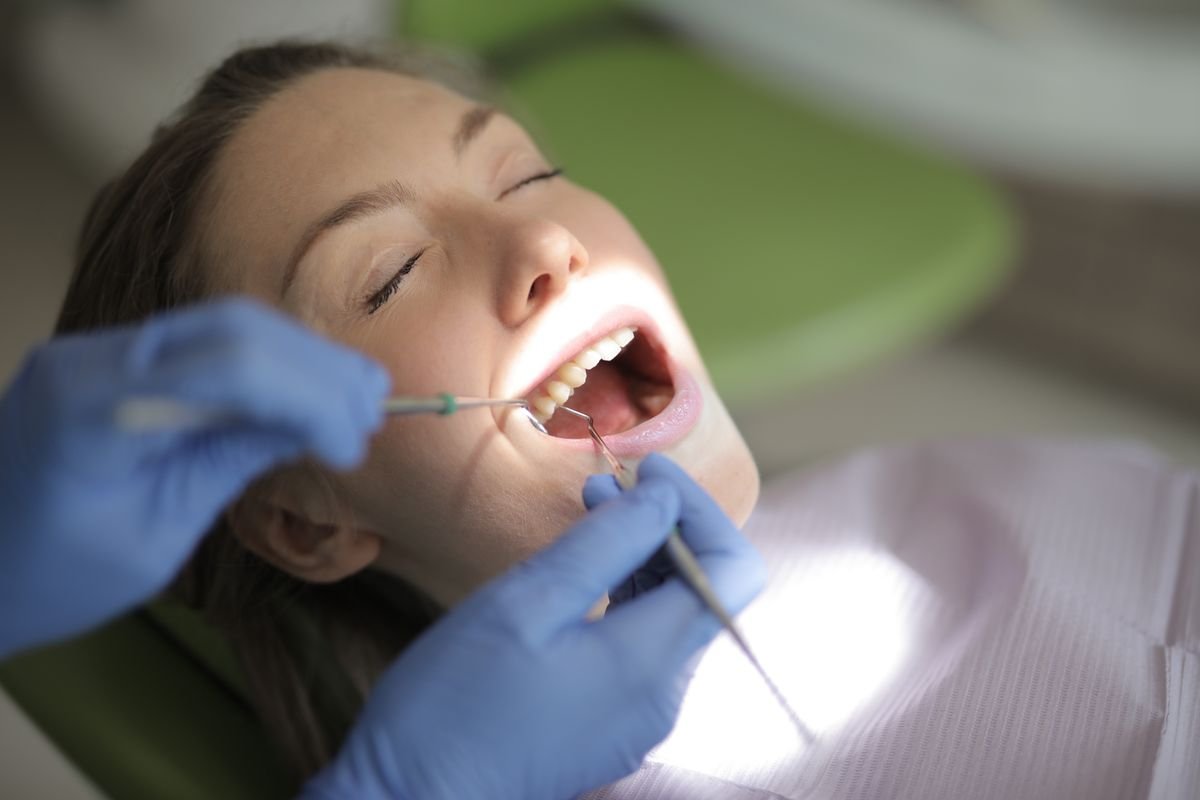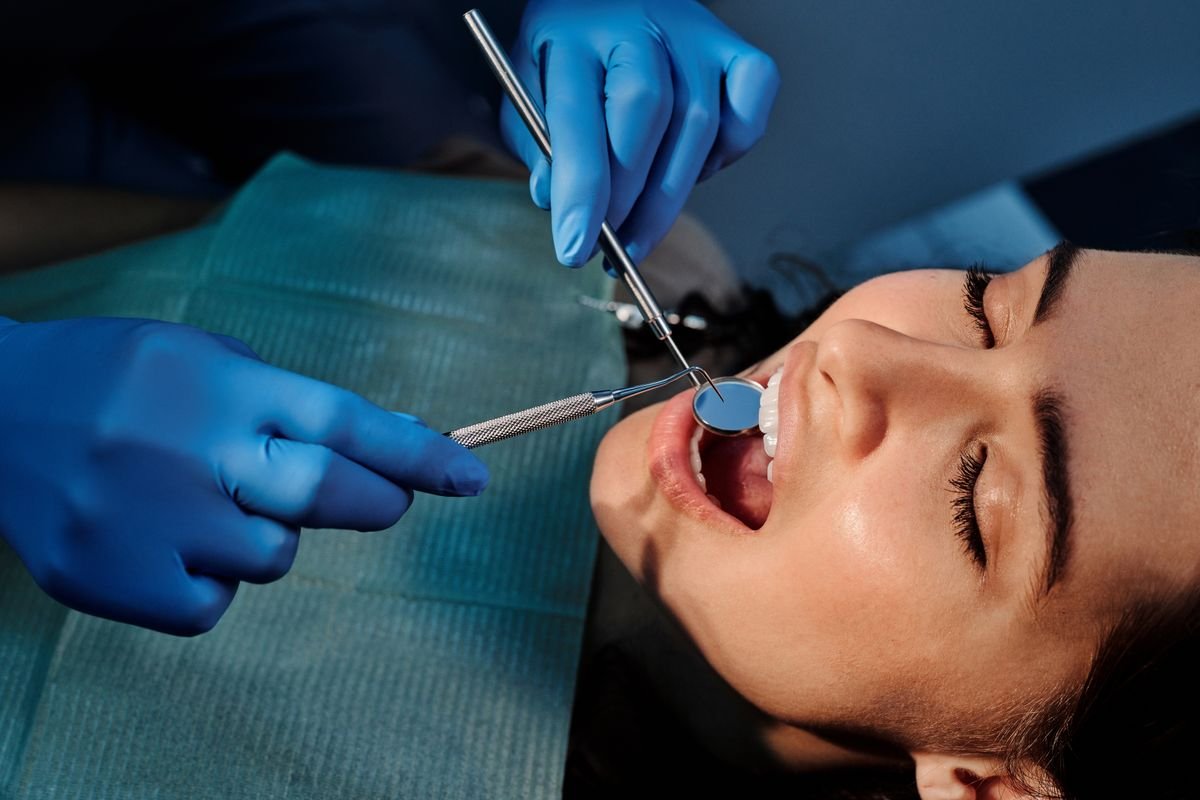
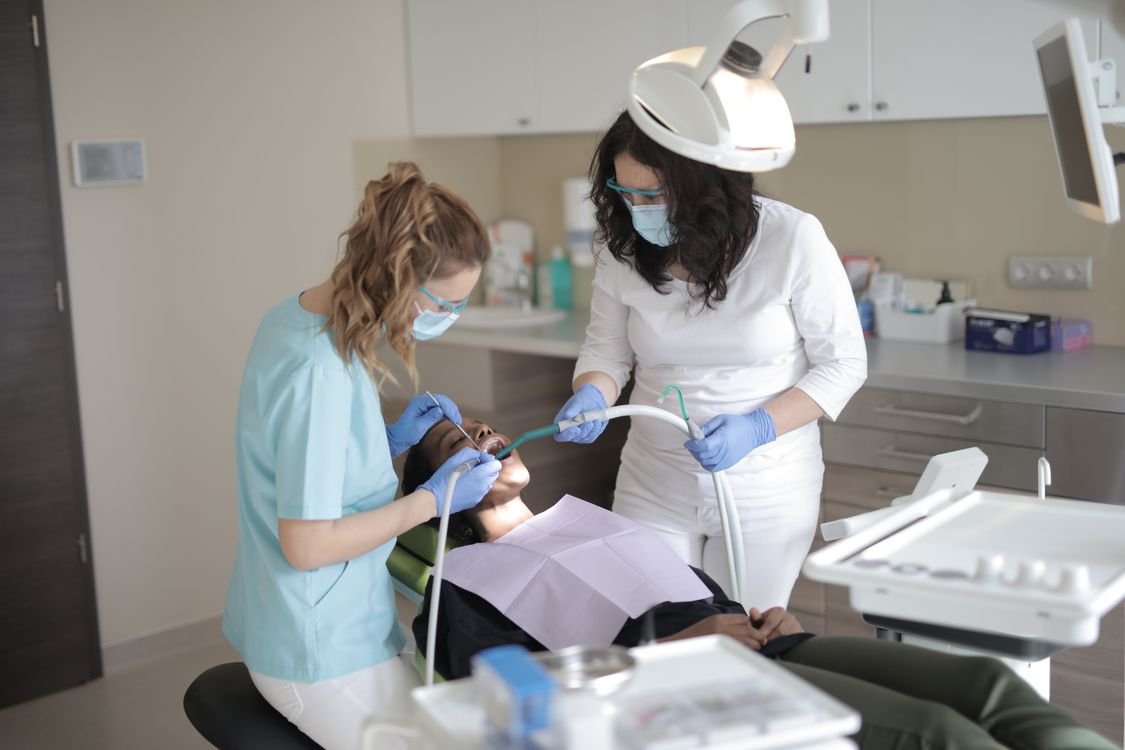
Periodontal maintenance is a specialised cleaning performed every three to four months for patients who have already been treated for gum disease, and it involves removing bacterial deposits from below the gumline, measuring pocket depths, and monitoring bone levels. Bleeding gums at this stage are common and manageable, but they are never something to ignore. Unlike a routine teeth cleaning, periodontal maintenance is an ongoing therapeutic programme rather than a preventive one-off.
The distinction matters because periodontitis is not curable in the way a cavity is fixable. It is controllable, and control requires a schedule.
A dedicated Dental Clinic in Aurora will chart six measurements per tooth at each visit, giving an objective record of whether the disease is stable or progressing. That charting is a core part of general dentistry and should never be skipped.
Patients who clench or grind add mechanical stress to already weakened support, so custom nightguards are often recommended alongside maintenance.
Where teeth have already been lost to advanced disease, stabilising the gums first is essential before considering dental implants, because implants are also vulnerable to inflammatory bone loss.
If you are ready to get on a proper recall schedule, you can request an appointment and begin with a full periodontal assessment.
What Is Periodontal Disease in Plain Language?
Gum disease develops in stages. Gingivitis is inflammation limited to the soft tissue and is fully reversible. Periodontitis occurs when that inflammation extends to the ligament and bone that hold teeth in place, creating pockets that cannot be cleaned by brushing alone. Bone lost at this stage does not grow back on its own.
Once periodontitis has been treated, the tissues are stabilised but the pockets remain deeper than normal. Bacteria repopulate those pockets within roughly 90 days. That biological timeline is exactly why maintenance intervals are set at three to four months rather than six.
How a Periodontal Maintenance Appointment Works
- Medical and medication review. Diabetes, smoking, pregnancy and certain medications all change periodontal risk and are checked each visit.
- Full periodontal charting. Six sites per tooth are probed and recorded, along with bleeding points, recession and mobility.
- Radiographic review. Bitewings or periapicals are compared against previous images to track bone levels.
- Supragingival debridement. Visible plaque and calculus above the gumline are removed with ultrasonic and hand instruments.
- Subgingival debridement. Deposits inside the pockets are removed. This is the therapeutic core of the appointment.
- Root surface smoothing. Rough root surfaces are refined so bacteria have less to cling to.
- Localised antimicrobial therapy. Where isolated deep pockets persist, site-specific agents may be placed.
- Polishing and fluoride application. Exposed root surfaces are prone to decay, so fluoride is particularly valuable here.
- Home care coaching. Interdental brush sizing, technique correction and product recommendations are tailored to your chart.
- Interval planning. Your next visit is scheduled based on measured risk, not a default six months.
Periodontal Maintenance Versus Routine Cleaning
- Purpose: maintenance controls existing disease; routine cleaning prevents disease starting.
- Depth of instrumentation: maintenance works below the gumline into pockets; routine cleaning is largely above it.
- Frequency: maintenance is typically every 3 to 4 months; routine cleaning is usually every 6 months.
- Charting: maintenance always includes full periodontal charting; routine cleaning may include a screening only.
- Duration: maintenance appointments are generally longer.
- Anaesthetic: topical or local anaesthetic is more often used in maintenance.
What Happens If You Skip Appointments?
Research consistently shows that patients who attend periodontal maintenance regularly lose significantly fewer teeth over a ten to fifteen year period than those who revert to occasional cleanings. Skipping intervals allows pockets to repopulate, inflammation to return, and bone loss to resume silently.
The frustrating part of periodontitis is that it is largely painless until it is advanced. Absence of pain is not evidence of stability.
Signs Your Gum Condition Is Not Stable
- Bleeding when brushing or flossing, even occasionally.
- Gums that look puffy, rolled or darker red at the margins.
- Persistent bad breath or a bad taste.
- Teeth appearing longer as gums recede.
- New gaps opening between teeth.
- Any looseness or drifting of teeth.
- Pus at the gum margin, which requires prompt attention.
Acute gum abscesses can develop quickly and are handled through the Emergency Dental Clinic in Aurora pathway rather than waiting for a scheduled recall.
Home Care That Actually Changes Outcomes
Interdental Cleaning
For patients with pockets, interdental brushes generally outperform floss because they physically disrupt biofilm across a wider root surface. Correct sizing matters more than brand.
Brushing Technique
An electric brush with a pressure sensor, angled at 45 degrees toward the gumline, and moved slowly rather than scrubbed, is the standard recommendation.
Risk Factor Control
- Smoking cessation is the single most impactful change a periodontal patient can make.
- Glycaemic control in diabetes has a direct, measurable effect on pocket depths.
- Managing dry mouth reduces plaque accumulation.
- Addressing clenching reduces mechanical load on compromised teeth.
Myths About Gum Disease Treatment
Myth: Gum disease is just part of ageing. Age correlates with cumulative exposure, but healthy gums are achievable at any age. Tooth loss is not inevitable.
Myth: Bleeding gums mean you should brush less. The opposite is true. Bleeding is a sign of inflammation caused by plaque, and careful cleaning reduces it within one to two weeks.
Myth: Mouthwash can replace maintenance visits. Rinses cannot penetrate deep pockets or remove calcified deposits. They are an adjunct, not a treatment.
Myth: Once treated, you can go back to twice-yearly cleanings. Some stable patients eventually extend intervals, but that decision must be based on charted evidence, not preference.
Myth: Implants are immune to gum problems. Peri-implantitis affects implants in a similar way and can cause implant loss.
Long-Term Support at a Trusted Aurora Practice
Consistency is the whole point of maintenance, so the practice you choose should make attendance easy. Dana Dental Aurora operates from 15277 Yonge St., Suite 1 & 2, Aurora, ON, and offers flexible evening and weekend scheduling so recall visits fit around work and family life.
With a 5.0 Google rating and more than 485 patient reviews, the clinic is widely regarded as the Best Dental Clinic in Aurora for patients who want measurable, documented progress rather than vague reassurance. Appointments can be booked on +1 (647) 494-5006 or by email at info@test.danadentalaurora.ca.
New patients are welcome, including those covered by CDCP (Canadian Dental Care Plan), and a New Patient Special introductory package provides an accessible starting point. CareCredit financing is available to break treatment into affordable monthly installments where a longer plan is needed.
Alongside periodontal care, the practice provides general dentistry, caps and crowns, dental implants, emergency dentistry, wisdom teeth removal, fillings, pediatric dentistry, root canal therapy, sedation, cosmetic dentistry, bonding, veneers, teeth whitening, bridges, mouthguards and nightguards. Families often use the same clinic for a Family Dentist in Aurora and later for a Cosmetic Dentist in Aurora once their gums are stable.
Every clinician is registered with the Royal College of Dental Surgeons of Ontario (RCDSO), which governs scope of practice, sterilisation standards and continuing professional development. When comparing a Dental Office in Aurora or looking for a Top Dentist in Aurora, that registration should be the first thing you verify.
Frequently Asked Questions
Does periodontal maintenance hurt?
Most patients describe it as mildly uncomfortable rather than painful. Topical or local anaesthetic is available, and sensitivity usually settles within a day or two.
Why every three months instead of six?
Bacterial colonies in periodontal pockets re-establish to disease-causing levels in roughly 90 days. The interval is based on that repopulation cycle.
Will my gums grow back after treatment?
Lost gum tissue and bone do not regenerate spontaneously. Treatment stops further loss and firms up the remaining tissue. Grafting procedures can address specific defects in selected cases.
Can I ever return to normal cleanings?
Some patients with sustained stability, shallow pockets and excellent home care can extend intervals. This is a clinical decision reviewed at each appointment using charted data.
Is gum disease linked to general health?
There are well-documented associations between periodontitis and cardiovascular disease, diabetes control and adverse pregnancy outcomes. The relationship is complex and is best discussed with both your dentist and physician.
Conclusion
Periodontal maintenance works by interrupting the bacterial cycle that drives bone loss, on a schedule matched to how quickly those bacteria return. It is measurable, evidence-based and highly effective when attended consistently. Treat it as a long-term partnership with your dental team rather than an appointment you can postpone.
This article provides general information and is not a substitute for a personalised periodontal diagnosis from a licensed dental professional.